
About
Building the Future with Sustainable Construction Technology
Enhance vocational education and training to improve the competence of initial and continuing professionals in the architecture and construction sector in the field of 3D Printing Raw Earth Technology
The construction sector is responsible for 38% of global carbon emissions and 35% of worldwide waste. EARTH3D is an Erasmus+ project that transforms vocational education by focusing on 3D Printing Raw Earth Technology, combining additive manufacturing with natural, locally sourced materials for sustainable construction.
Erasmus+ Page (opens in a new tab)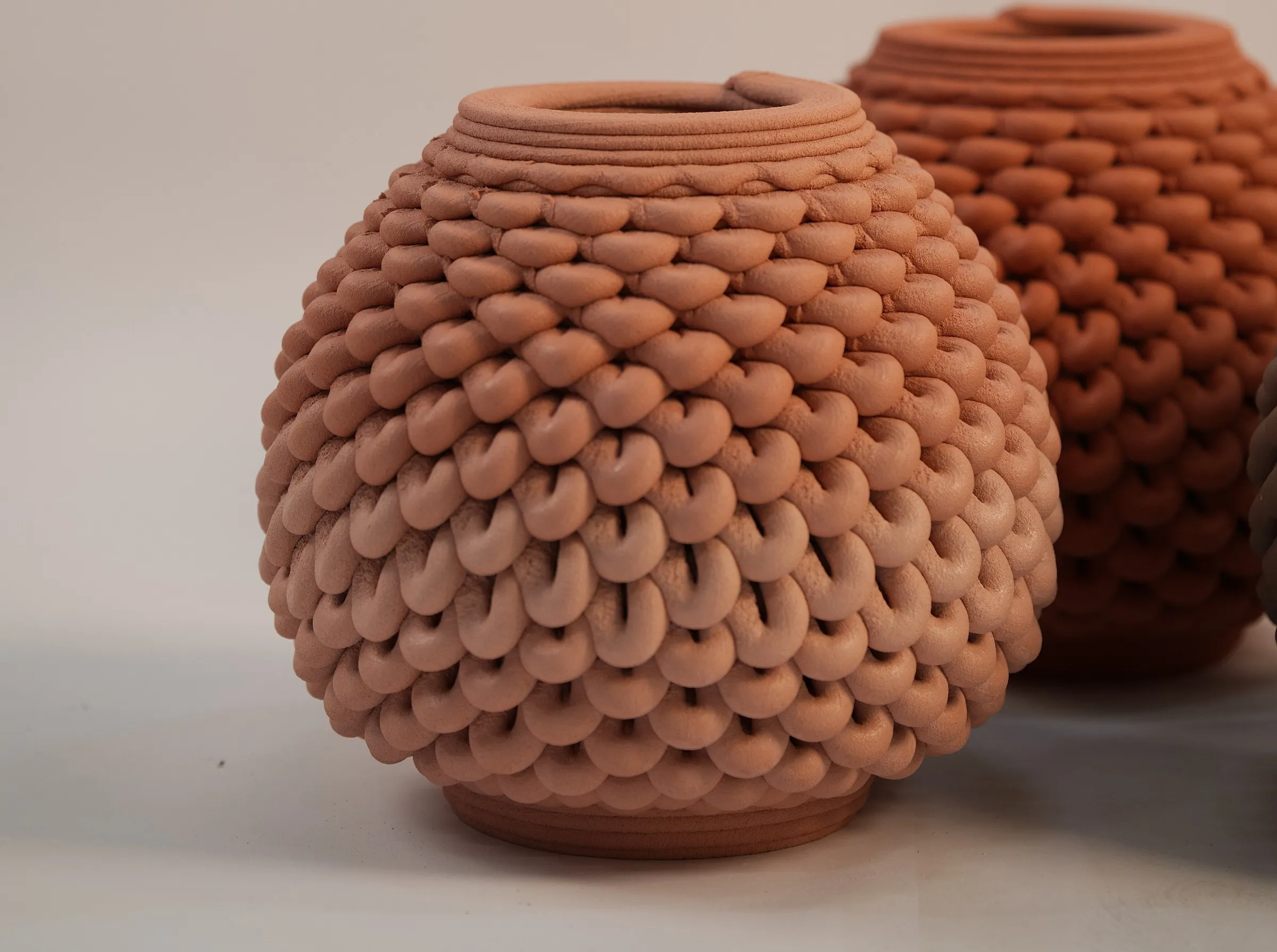
- Start date
- 01-10-2025
- End date
- 30-09-2026
- EU Grant
- 60.000,00 €
Objectives
Main Objective
Provide high-quality, flexible learning opportunities on 3D Print Raw Earth technology for professionals in architecture, urban planning, materials technology, and engineering.
Specific Objectives
- Develop a comprehensive e-learning platform with 6 training modules
- Create a best practice guide featuring 19 successful global projects
- Establish a networking hub for cross-sector collaboration
- Promote sustainable construction aligned with EU Green Deal goals
| Group | How They Benefit |
|---|---|
| Architects & Urban Planners | Design sustainable, energy-efficient structures |
| Engineers | Master 3D printing technologies and materials |
| Students & Graduates | Gain cutting-edge skills for future careers |
| Researchers | Access resources for R&D projects |
Our Partners

FAQ
What is 3D Print Raw Earth Technology?
A construction method that uses robotic 3D printers to build structures from natural earth materials. It combines the precision of additive manufacturing with the sustainability of locally-sourced, recyclable materials.
Who can benefit from EARTH3D?
Architects, engineers, urban planners, materials specialists, students, and researchers interested in sustainable construction techniques.
Is the training free?
Yes! All EARTH3D resources are free and openly accessible.
Will I receive a certificate?
Yes. Complete the 6 training modules and pass the assessments to receive a certificate of completion.
What languages are available?
The platform and guide are available in English, Polish, Portuguese, Estonian, and Dutch.